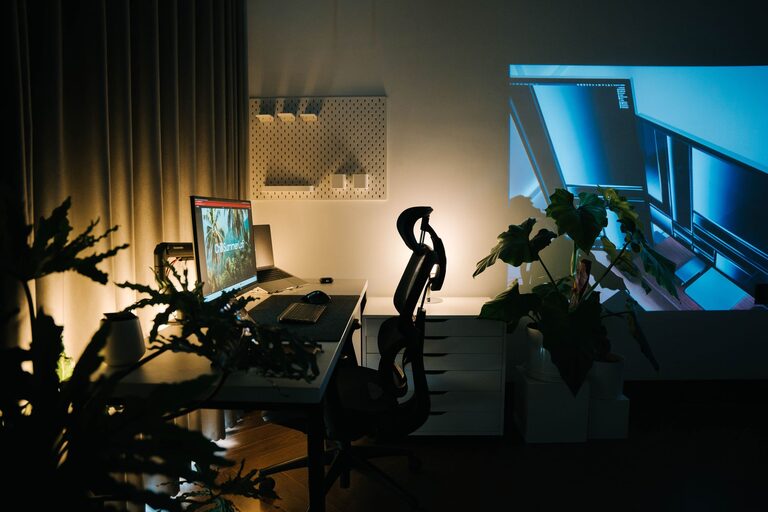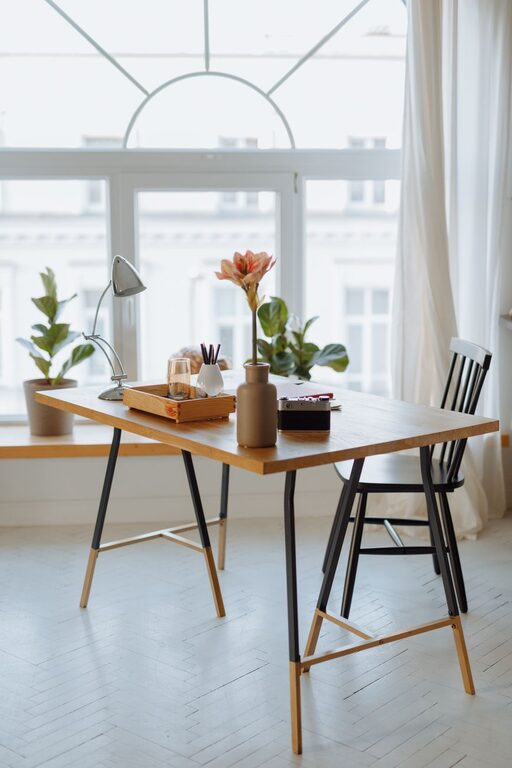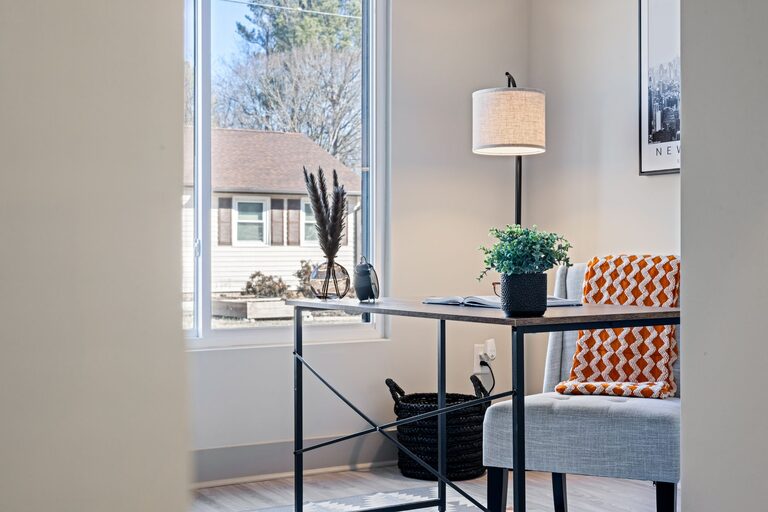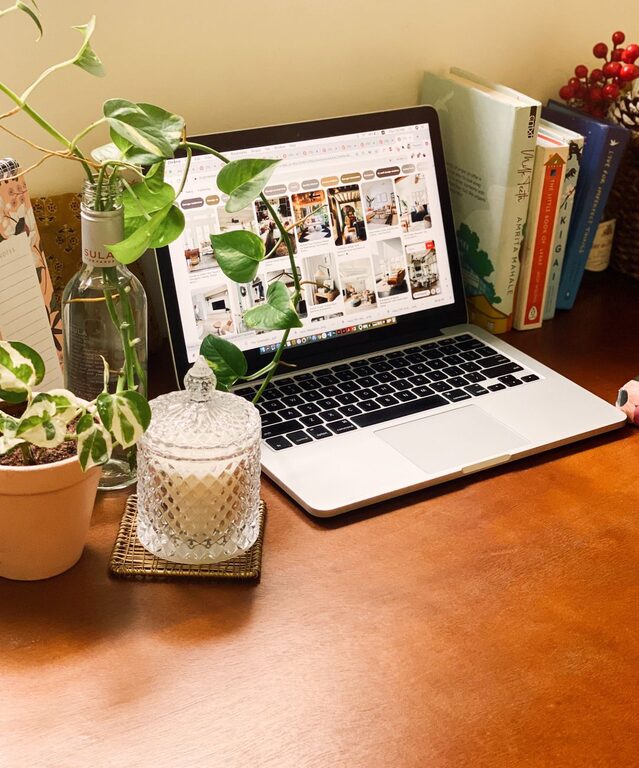
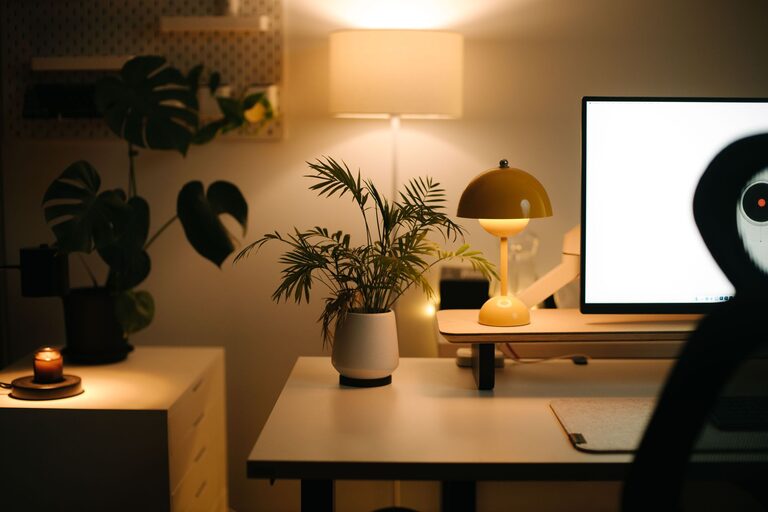
Creating a productive home office environment is essential for anyone working remotely or managing tasks from home. A well-designed workspace can enhance your focus, improve comfort, and help you maintain a healthy work-life balance. Whether you have a dedicated room or a small corner in your living space, setting up a home office tailored to your needs makes a big difference in your daily productivity. Here are some useful tips to help you build an effective workspace at home.
1. Choose the Right Location
Selecting the best spot for your home office is the first step toward productivity.
– Natural Light: Try to place your desk near a window to benefit from natural light. It can uplift your mood and reduce eye strain.
– Quiet Area: Choose a space away from household noise and distractions. A quiet corner or a separate room works best.
– Accessibility: Ensure your workspace is easy to access but not in a high-traffic area to avoid interruptions.
2. Invest in Comfortable and Supportive Furniture
Your body will thank you when you use ergonomic furniture designed to prevent strain.
– Ergonomic Chair: Select a chair that supports your lower back and allows your feet to rest flat on the floor.
– Appropriate Desk: The desk height should allow your arms to rest comfortably while typing or writing.
– Adjustable Options: If possible, consider a sit-stand desk to change your position during work hours.
3. Organize Your Workspace Efficiently
A tidy and organized office helps you focus better and saves time searching for items.
– Declutter Regularly: Remove items you don’t use daily to keep your desk clear.
– Use Storage Solutions: Utilize shelves, filing cabinets, or desk organizers for paperwork and office supplies.
– Cable Management: Keep cords and plugs tidy with cable clips or sleeves to prevent tangling and hazards.
4. Optimize Lighting
Adequate lighting is vital to avoid eye strain and create a welcoming work environment.
– Combine Lighting Sources: Use a mix of natural, ambient, and task lighting.
– Desk Lamp: A focused lamp can provide extra light for reading or detailed work.
– Avoid Glare: Position screens away from direct light sources to eliminate glare.
5. Personalize Your Space
Adding personal touches can make your home office more inviting and motivating.
– Wall Art or Inspirational Quotes: These can boost your creativity and mood.
– Plants: Indoor plants improve air quality and provide a calming effect.
– Comfort Items: Items like cushions or a soft rug can increase comfort.
6. Manage Noise and Distractions
Creating a distraction-free environment enhances concentration.
– Noise-Cancelling Headphones: Helpful if you cannot control background noise.
– White Noise Machines or Apps: These can mask disruptive sounds.
– Set Boundaries: Communicate your work hours to household members to minimize interruptions.
7. Establish a Clear Routine
A productive home office is only as effective as your work habits.
– Set Work Hours: Define when your workday starts and ends to separate work from personal time.
– Regular Breaks: Take short breaks every hour to stretch and refresh your mind.
– Daily Planning: Use a planner or digital calendar to organize tasks and prioritize goals.
8. Ensure Proper Technology Setup
Reliable technology is the backbone of a functional home office.
– High-Speed Internet: Essential for video calls and online collaboration.
– Quality Equipment: Invest in a good computer, monitor, keyboard, and mouse.
– Backup Devices and Power: Keep chargers handy and consider an uninterruptible power supply (UPS) for important work.
9. Keep Your Workspace Clean
A clean office promotes health and mental clarity.
– Daily Tidying: Spend a few minutes at the end of each day tidying up.
– Sanitizing: Regularly clean surfaces, especially if you share your workspace.
– Air Quality: Open windows when possible or use air purifiers to keep the air fresh.
Conclusion
Creating a productive home office environment is more than just arranging a desk and chair. It involves thoughtful choices about location, comfort, organization, lighting, and more. By following these tips, you can build a personalized workspace that supports your well-being and enhances your ability to focus and get work done. Remember, the goal is to make your home office a place where productivity and comfort go hand in hand.
About the Author